MedicineNovember 18, 20256 min read
What the Night Shift Taught Me About Being Present
By Dr. Robert Sakulanda
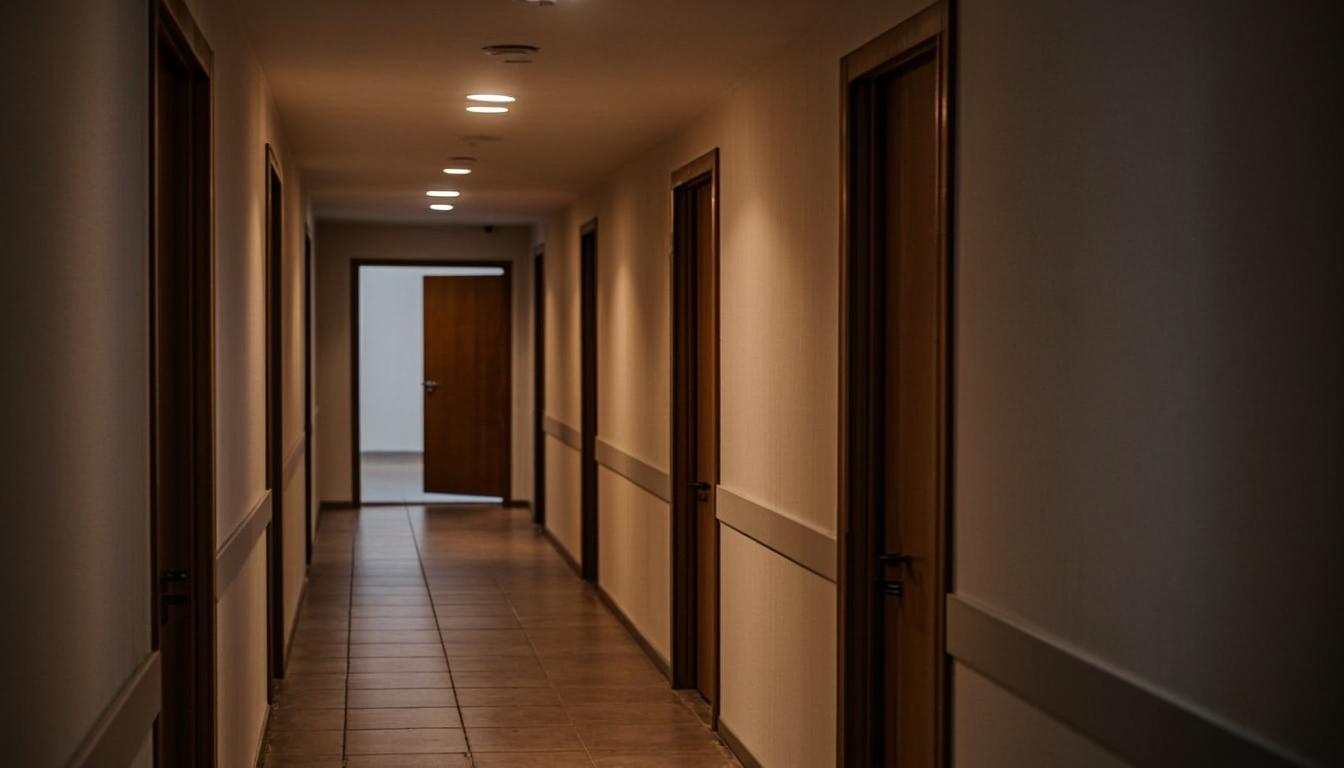
There is a particular quality to a hospital at three in the morning. The corridors are quieter, the monitors seem louder, and every sound means something. During the pandemic, those hours became the defining classroom of my medical life.
When the answers ran out
I trained in family medicine because I believed in continuity — in knowing patients across years, not just across a hospitalization. But COVID-19 compressed everything. Patients who had been stable deteriorated between one round and the next. Protocols changed weekly. Sometimes daily. We were practicing medicine at the edge of what anyone knew, and we knew it.
What I discovered, on those nights, is that presence is a clinical skill. When I could not offer a cure, I could still offer attention: holding a phone to a patient's ear so a family could say goodbye, explaining — again and again, in plain words — what was happening and what we were trying. Those acts did not appear on any chart. They mattered more than anything else I did.
Medicine stopped being about answers and became about attention.
The debt that science had to pay
The pandemic also left me with a kind of intellectual debt. Watching patients decline while we improvised, I kept asking the questions every clinician asks: why do we not have better tools? Where are the vaccines, the antivirals, the technologies that would make the next pandemic smaller than this one?
Those questions eventually pulled me out of the hospital and back into the classroom, toward a Master's degree in applied biotechnology. I wanted to understand, at a deeper level, how the therapies of the future actually get made — the mRNA platforms, the gene-editing systems, the trials that separate hope from evidence.
What I carry forward
Now, when I return to the bedside, I carry both worlds with me. The night shift taught me that medicine is, before anything else, a human relationship conducted under pressure. Science gives that relationship better instruments every decade — but the instrument is never the point.
The patient in the bed, the family on the phone, the clinician trying to stay whole: that is the point. Everything I write, here and elsewhere, begins there.
Published November 18, 2025
Keep reading
All articles
Entrepreneurship
Why a Physician Bought a Football Club
In 2017 I bought Nkwiza FC, a small club in Zambia's Copperbelt, and rebuilt it as Mufulira United. People asked why a doctor in America wanted a football team. The answer has everything to do with health.
Biotechnology
Editing the Code of Life: A Physician's View of Gene Therapy
Gene editing sounds like science fiction until you meet the patients it could save. A grounded look at what CRISPR-era medicine can honestly promise — and what it cannot.